 Josep Home Improvement
Simple Care Helps Your Deck Last Longer and Stay Safer
Good deck care is mostly about stopping small problems before they grow. Clean the surface, keep water from sitting too long, check boards and fasteners, and seal or stain the wood when needed. These deck maintenance tips to extend lifespan can help you avoid rot, fading, loose boards, and early wear. If your outdoor space gets heavy sun, rain, or foot traffic in Fredericksburg, VA, a simple routine can make a big difference over time.
Why Prevention Matters
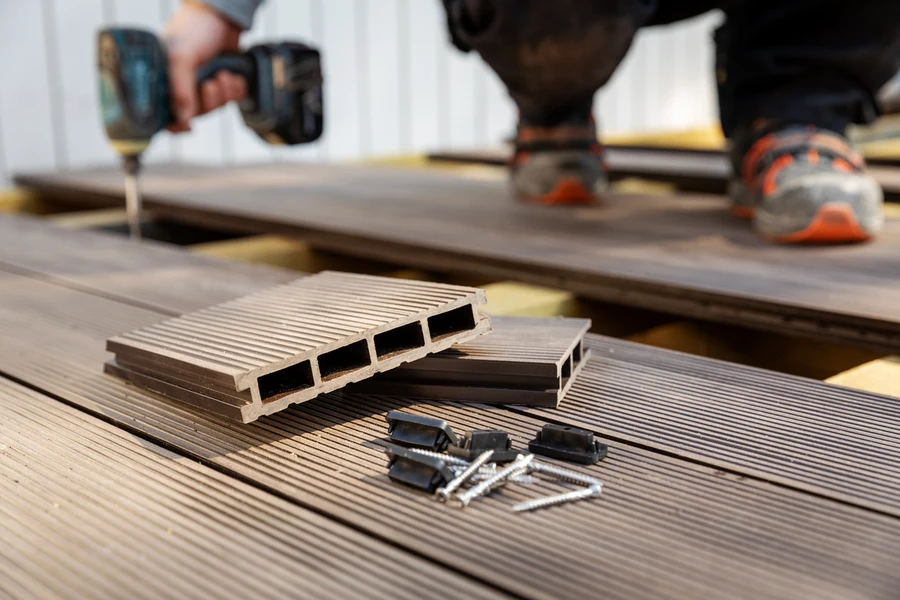
A deck deals with a lot every year. Rain soaks the boards. Sun dries them out. Dirt, leaves, and standing water sit in corners. Grills, planters, and patio furniture add weight and trap moisture. Without routine care, even a well-built surface can start to crack, warp, or rot.
This is true for older structures and newer ones alike. A strong start from quality deck building helps, but regular upkeep is what keeps that strength going. Small steps now can help you avoid larger repairs later. They also help the area look better and feel safer for your family and guests.
Early Warning Signs
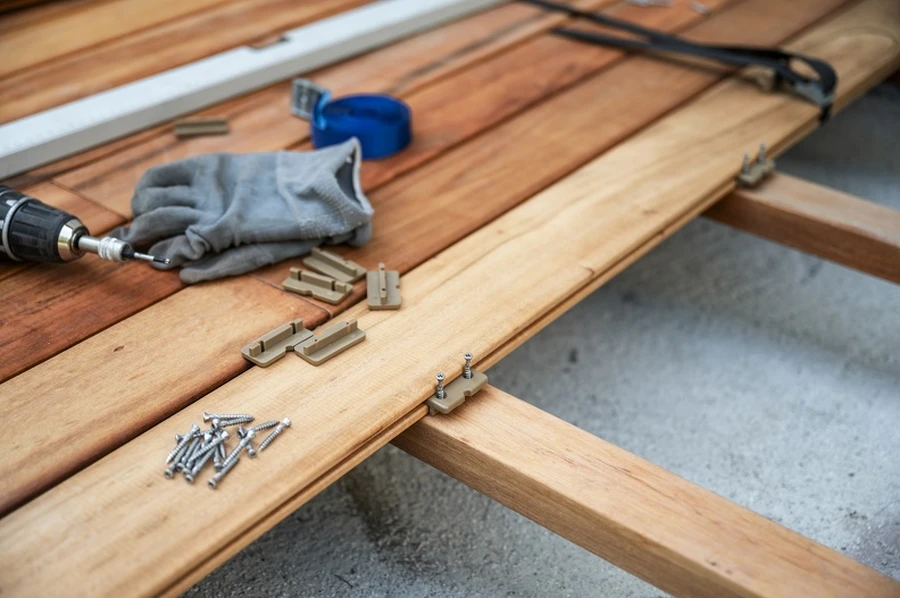
You do not need to be an expert to spot early trouble. A short walk across the surface can tell you a lot. If something feels soft, loose, rough, or uneven, it is time to take a closer look.
Watch for these warning signs:
- loose or popping nails and screws
- boards that feel soft or spongy
- cracks, splits, or warped planks
- faded stain or peeling sealer
- green patches from mold or mildew
- water pooling after rain
- wobbly railings or steps
These signs often show up before major damage begins. If you catch them early, the fix is usually simpler and less costly.
Seasonal or Routine Checklist
A simple schedule makes maintenance easier. You do not have to do everything every month. Most decks do well with a few basic checks through the year.
- Sweep weekly or as needed to remove leaves, dirt, and sticks.
- Wash the surface every few months with a deck-safe cleaner.
- Check hardware, boards, stairs, and railings each season.
- Move planters and furniture to look for trapped moisture below.
- Trim nearby plants so air can move around the structure.
- Clear gaps between boards so water can drain away.
- Apply stain or sealer when the old coat begins to wear down.
Spring and fall are often the best times for a full inspection. After storms, look again for lifted boards, debris, and drainage issues. This kind of routine matters no matter the style, size, or age of the structure.
Best Practices for Long-Term Results
The best long-term care is steady and simple. Start with cleaning. Dirt and wet leaves hold moisture against the boards. That can lead to mildew, stains, and wood damage. Use a cleaner made for the deck material, and avoid harsh products that may harm the surface.
Next, pay attention to water. Water is one of the biggest causes of deck wear. If sprinklers hit the same spot every day, adjust them. If downspouts dump water near the posts, add an extender. If furniture traps puddles, move it now and then.
Protective coatings also help. Wood decks often need staining or sealing every few years, though timing depends on sun, shade, and weather. If water no longer beads on the surface, the coating may be wearing off. Composite surfaces may not need sealing, but they still need cleaning and inspection.
Good deck building practices support longer life too. Proper spacing, drainage, and fastening all help surfaces dry faster and stay more stable. If your setup includes features from such as rails, stairs, skirting, or built-in seating, inspect those parts just like the main walking surface.
What Not to Do
Some common habits can shorten the life of a deck fast. Many people mean well, but the wrong tools or products can cause damage.
- Do not use bleach unless the material maker says it is safe.
- Do not let leaves and mulch pile up against the frame.
- Do not paint over damaged boards without fixing the problem first.
- Do not use a pressure washer too aggressively on wood.
- Do not ignore small cracks, soft spots, or loose railings.
- Do not place rugs or planters in one spot for too long.
Skipping these mistakes can help the structure stay stronger and look better. Good care is not only about what you do. It is also about what you avoid.
When to Schedule Professional Help
Some deck issues are fine for basic upkeep. Sweeping, washing, and simple visual checks are good homeowner tasks. But if you find rot, movement, sagging, deep cracks, or unstable rails, it is smart to get professional help.
A trained crew can check the framing, footings, fasteners, stairs, and connection points. That is very helpful if the structure is older or has not been inspected in years. It also helps after major storms or long wet seasons. If you are planning repairs, upgrades, or partial replacement, expert eyes can help you spot hidden trouble before work begins.
Many property owners also call for help when the finish is failing across a large area, when boards need replacement, or when the surface no longer drains well. These are signs that basic cleaning may not be enough.
Get Help With the Next Steps
If you are in Fredericksburg, VA and want a safer, longer-lasting outdoor space, reach out for guidance. At Josep Home Improvement, we help homeowners spot wear, plan smart upkeep, and address larger deck building concerns before they grow. Call us at (540) 606-6265 to talk about the condition of your deck and the best next step for your home.