 Josep Home Improvement
How to Pick Tile That Fits Your Space, Style, and Daily Use
Choosing tile for a bathroom can feel hard at first, but it gets easier when you break it into simple steps. The best tile design for bathroom remodeling should match how the room is used, how much water it gets, how easy it is to clean, and the look you want. In many homes, the right mix of floor tile, wall tile, size, color, and texture can make a small room feel bigger and a busy room work better every day.
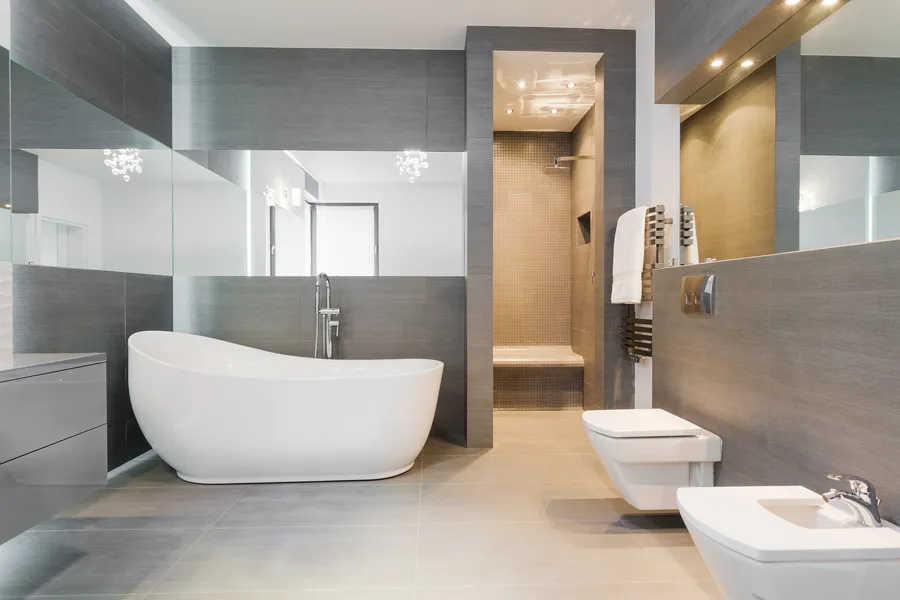
What You Need Before Starting
Before you pick samples, take a close look at the bathroom. Think about who uses it most. A kids’ bathroom may need strong, slip-safe tile. A guest bath may give you more room to play with style. A main bath may need a calm design that still hides water spots and soap marks.
Start with a few basic questions. Do you want the room to feel bright and open? Do you want a warm and cozy look? Do you need low care materials? This helps guide your choices before bathroom remodeling begins. It also helps to set aside photos you like so the design stays clear from start to finish.
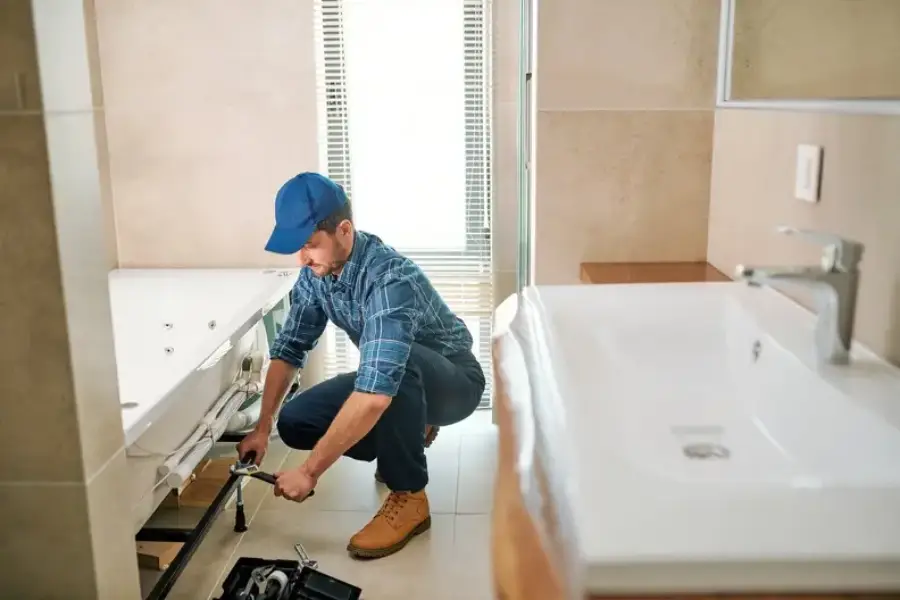
If your project includes updates beyond tile, like new lighting or storage, keep those finishes in mind too. Even if the service category keyword is not listed here, the full room still needs to work as one design.
Step-by-Step Process for Choosing Tile Designs
A simple plan can save time, money, and stress. Use these steps to narrow down your choices.
- Measure the room and each tile area. This includes floors, shower walls, and backsplash spaces.
- Choose where tile will go. Some bathrooms need tile only on the floor. Others need full shower walls or wainscot height tile.
- Pick the main tile first. This is often the floor tile or shower wall tile.
- Choose tile size based on room scale. Larger tiles can make small rooms feel less busy. Small mosaic tile can add grip on shower floors.
- Select a color group. Light shades can make the room feel open. Dark shades can add depth and contrast.
- Add one accent, not too many. A niche, border, or feature wall can stand out without making the room feel crowded.
- Check texture and slip resistance. Floor tile should feel safe when wet.
- Look at grout color. Matching grout gives a softer look. Contrast grout makes each tile shape stand out.
- Take samples home. Look at them in morning, afternoon, and night light.
- Think about cleaning. Some glossy or highly textured tiles show more water marks or hold more grime.
This process works well for many bathroom remodeling projects because it keeps the big choices clear. You build the design one layer at a time instead of trying to pick everything at once.
Common Mistakes to Avoid
Many tile problems start with choices that look good in a store but do not work well in real life. One common mistake is picking slippery floor tile. A shiny tile may look nice on display, but it may not feel safe after a shower. Another mistake is mixing too many patterns. A bold floor, busy wall, and strong accent can fight for attention.
Some people also choose tiny tile for large areas without thinking about grout lines. More grout lines can mean more cleaning. On the other hand, very large tile may not fit well in a tight shower without many cuts. Scale matters.
Another issue is ignoring the rest of the room. Tile should work with the vanity, paint, mirror, and fixtures. In bathroom remodeling, tile is a big visual feature, so it should not feel separate from the rest of the design.
When Certain Tile Choices Work Best
Different tile designs fit different needs. Here are a few practical examples:
- Porcelain tile works well for busy bathrooms because it is strong and low care.
- Natural stone can give a rich look, but it may need more sealing and upkeep.
- Subway tile fits many styles, from classic to modern.
- Large format tile can make a small bathroom feel cleaner and more open.
- Mosaic tile is often a smart pick for shower floors because it follows slope well.
- Matte finishes usually hide smudges better than very glossy finishes.
If the bathroom gets heavy daily use, keep the design simple and durable. If the room is mostly for guests, you may have more freedom to add special color or pattern. The smartest choice is often the one that balances style and daily life.
When to Call a Professional
Some tile decisions are easy to make on your own, but some parts of bathroom remodeling need trained help. If the layout is changing, the shower needs waterproofing, or the floor is uneven, it is smart to bring in a professional. Tile only looks good long term when the surface under it is prepared the right way.
You may also want expert help if you are mixing tile sizes, building a curbless shower, or trying to match a certain design style across the whole room. A pro can spot issues early, suggest better materials, and help avoid waste. That can make the finished space look cleaner and last longer.
Final Recommendation
If you want tile that looks good and works well, start with function first and style second. Think about safety, cleaning, room size, and how each tile will be used. Then choose a simple design with one main focus. If you need help planning bathroom remodeling in Fredericksburg, VA, reach out for ideas based on your space. Contact Josep Home Improvement at (540) 606-6265, and we can help you choose tile designs that fit your home and guide us all toward a finished bathroom that feels right every day.